

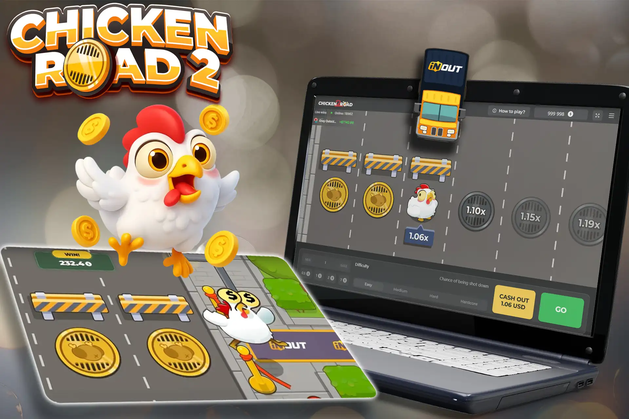





Demo Chicken Road 2 In Italy
Try Chicken Road 2 in demo mode in Italy: virtual credits, clear rhythm, control tools and responsible gaming, 2026.
Chicken Road 2 Demo Play: To Understand The Game Immediately
The trial mode serves a simple purpose: to remove the anxiety from the first approach. You enter, see the interface, understand where the settings are, and learn how the session moves when you change bets and speed. It's not a shortcut to "guess" results, it's a way to calmly read the game and make cleaner choices when you switch to real money.
Imagine opening the game after dinner, with your head already tired. If you start at a high pace, you miss useful messages and details, then you feel confused. Usually, the most organized players do the opposite: slow first rounds, then they touch only one setting and see what changes.
A practical trick: take two minutes to open the rules and scroll through the symbols, then play a short block without changing anything. Only then try a variation (e.g., speed or amount), so you understand what depends on the game and what depends on your behavior. In Italy, it makes sense to always choose a context available in the territory and presented as reserved for adults, with clear control tools that can be activated effortlessly.
All promotional incentive structure is clearly stated in writing and/or via electronic means in an easily understood manner. All codes are accompanied by an explanation of what the code is for, who is eligible to use the code, and how it should be used. As such, players are less likely to be confused about what is required of them in order to receive a reward and how the reward will be applied after receiving it. The promotional incentives provided to participants provide them with time to become familiar with the gaming system's mechanics, their interface, and progress, before deciding how deeply they wish to become involved with this platform. Therefore, players are encouraged to participate in an informed manner, rather than being pressured or tempted to act quickly.
How to Manage Budget and Time in Trial Mode
Even when using virtual credits, it's advisable to behave as if the budget were real. If you play without limits, you learn the wrong habit: you continue out of inertia, change your bet out of boredom, chase the feeling of "I'm almost there." Instead, the trial becomes useful when you train yourself to stop, take breaks, and make decisions at a sustainable pace.
If you tend to play "just one more minute," try this: set a duration before you start and use a timer. Imagine you have 20 minutes and that's it. Usually, those who set a clear limit play better because they read more carefully and are not carried away by automatism.
Work in blocks: one bet, ten or fifteen rounds, a short break, then choose whether to continue. If you feel frustration, don't argue with yourself: stop. On a platform available in Italy, always look for pause, limitation, and self-exclusion options and set them when you are calm, not when you are already agitated.
Road Chicken 2 Demo: Functions to Test Methodically
When you want to "understand" a game, the point is not to play a thousand rounds. The point is to test the functions in order: what happens in the base game, what changes when special elements are activated, how the session reacts when you increase or decrease the bet. The trial is the perfect time to build a routine: observe, annotate, correct.
Imagine seeing an animation that makes you think the important moment is near. If you react by raising the bet, you are following emotion, not a plan. Usually, the most clear-headed players do something boring but effective: they note what they changed and when, so they don't delude themselves into "feeling" the game.
Choose one goal per session. One day you only control speed and autoplay. Another day you focus on symbols and on-screen notifications. This discipline, in 2026, is what separates a manageable session from a confused evening.
Screen, Buttons, and Rules in Two Minutes
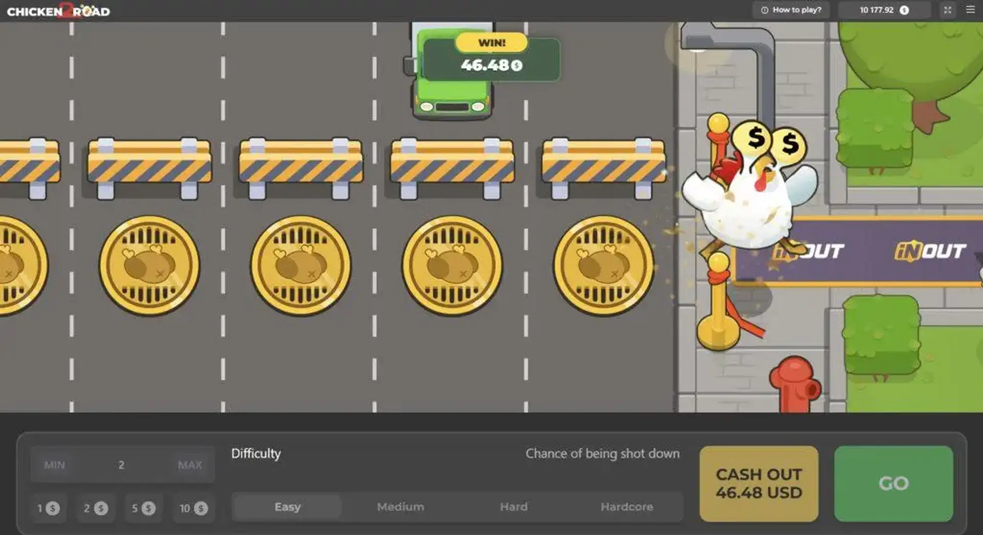
First, open the game information and look for three things: how a win is calculated, which symbols have special functions, and where settings are managed. Then look at the betting area: how easy is it to change the amount and return to the initial value? Finally, locate the immediate stop button, especially if an automatic mode exists.
Imagine being on a smartphone and accidentally touching a button near the edge. If you already know where to correct the setting, you won't panic and will immediately regain control. Usually, those who "map" the interface at the beginning avoid most errors in short sessions.
Trial Sequence: Blocks, Notes, Breaks
A simple sequence almost always works: short block, one change, short block, pause. Start with a comfortable amount, play about ten rounds, then only change the speed. In the next block, only change the bet. This way, you understand how you react, not just what the game does.
If you notice that boredom pushes you to make quick changes, stop. Imagine wanting to "shake things up" just because nothing is happening. Usually, that's where players lose their method: they increase the amount and speed up for no reason. A one-minute break brings clarity back.
Details Many Skip But Matter
Check if there are confirmations for sensitive actions, if there is a turbo mode, and if autoplay has customizable rules (number of rounds, stop on win, stop on loss). Also check audio and vibrations: they may seem marginal, but they affect the rhythm and perception of the session.
Imagine playing in a noisy room and not hearing important warnings. Usually, lowering the noise and slowing down the pace helps more than any "trick."
Typical Errors and Quick Corrections
Error one: changing settings every round. Correction: one change at a time, always after a block. Error two: chasing the emotion of "almost" with higher bets. Correction: strict rule - if you feel tension, stop and pause. Error three: using autoplay while distracted. Correction: activate it only when you are seated, with notifications off and the stop button clearly visible.
Imagine being in a hurry and continuing anyway. Usually, haste leads to wrong touches, and wrong touches lead to stress. Cut the session, don't increase it.
Platform Available in Italy: Access and Security
Talking about demos is convenient, but then comes the practical part: access, profile, security, and personal settings. A platform available in Italy should allow you to navigate clearly: understand what you are doing, where to find support, and how to set limits even before you start. The goal is not to "get in immediately," it's to get in well.
Imagine registering between calls, filling out quickly. Then you discover that a piece of data is wrong and you have to correct it when you want to manage important operations. Usually, it's better to take five calm minutes: enter correct data, activate protections, and choose useful notifications.
Also keep in mind the aspect of responsibility: look for settings that allow you to reduce game time, set breaks, and limit spending. It's an adult approach, not a technical detail.
Registration Without Confusion
Fill in essential data carefully and check it immediately. Many problems arise from trivial errors: a letter in the name, a date entered in a hurry, an outdated phone number. It's better to correct it at the beginning than to have to do it when you are already in a procedure.
If you are tempted to skip steps to "finish faster," stop for a moment. Imagine having to recover the account after weeks. Usually, those who configured well from the beginning lose less time and stress much less.
Data Verification and Account Protection
Account protection is a habit, not an option. Choose a unique password, activate any additional controls, and keep your linked email inbox accessible. These things aren't glamorous, but they're what save you from chaotic days.
Imagine not remembering an old password and discovering that the recovery email is no longer active. Usually, long and frustrating exchanges start from there. Better to prevent: two minutes of order today are worth hours saved tomorrow.
Setting Limits and Breaks Before Playing
Limits work if you set them when you're clear-headed. Define maximum duration, spending cap, and a personal rule: stop immediately if you play to recover losses or if you feel nervous. The platform should make these options visible and manageable, without unnecessary detours.
If you tell yourself “I’ll do it later,” try a different approach. Imagine you’re already agitated and quickly looking for a time-out. Usually, it’s harder and you make worse decisions. Set it first, play later.
Payments and Withdrawals: What to Check First
When you move from testing to real play, payments and withdrawals become central to your peace of mind. Promises aren't enough; a clear process is needed: knowing where to see your history, how to confirm operations, and how to ask for help if something isn't right. When in doubt, fewer repeated actions and more order.
Imagine seeing a status you don't understand and clicking “to unlock” multiple times. Usually, this only creates confusion, because you no longer know which attempt you are following. The best practice is to note the date, amount, and method, then ask for clarification with a precise message.
Area | What to Check | Why It Matters | Practical Tip |
Deposit | Chosen method and confirmations | Avoid errors and duplicates | Make only one deposit per session |
Budget | Spending and time limit | Protects against impulsive play | Use timers and predefined stops |
Withdrawal | Consistent profile data | Reduces additional requests | Check everything before submitting |
History | Date, amount, status | Helps you with support | Save transaction details |
Assistance | Channel and hours | Resolve faster | One question at a time, with facts |
Mobile | Notifications and touches | Reduces involuntary errors | Play seated, with a stable screen |
Deposit With A Simple Plan
Before depositing, decide how much you want to spend as entertainment and turn it into a single session. Then choose a stake that allows you to stay within that budget without having to increase the amount due to impatience. It's a simple rule, but it makes a huge difference in how you experience the game.
If you feel the urge to add funds because “nothing has happened yet,” stop. Imagine you're having a bad night and want to change the outcome by spending more. Usually, that's where the experience gets worse. A break is worth more than a new deposit.
Withdrawal Without Anxiety: Clear Steps
Treat withdrawal as an administrative procedure: check the data, send the request, then wait for updates without obsessive refreshing. If an information request appears, provide legible and consistent material with the profile. Calmness here is a skill, not an attitude.
Imagine wanting to close everything in two minutes before going out. Usually, you end up sending something incomplete and having to redo it. It's better to do it when you're sitting down, with five free minutes and full attention.
Support: How To Ask For Help Usefully
To get a useful answer, write short and concrete: what you did, what you expected, what happened. Add date, amount, and method. Avoid emotional or long messages: they don't speed anything up and often confuse.
If you feel like writing “nothing works,” try another approach. Imagine the operator who has to understand the case in a few seconds. Usually, an essential description receives a quicker solution.
Mobile: Playing With Fewer Risks
On smartphones, the most common risk is involuntary touch: you change your bet, activate an automatic function, or continue while notifications arrive. The solution is practical: short sessions, stable environment, silenced notifications, and quick check of settings before starting.
Imagine playing while walking and the screen wobbles. Usually, you don't immediately notice a change in settings, then the tension rises. The game should be played when you can really watch, not when you're doing something else.
Routine 2026: From Test To Real Game
In 2026, the difference between an “ok” session and an evening that leaves you feeling nervous is almost always routine. It's not about luck: it's about boundaries. Defined time, defined budget, defined stop. If you make these choices beforehand, the game remains entertainment and doesn't become a chase.
Imagine opening the platform out of boredom and finding yourself an hour later not even remembering why you continued. Usually, it's not the game's fault, it's the absence of a plan. Three rules are enough: duration, amount, pause if you feel frustration.
In Italy, always choose a context available and set up for adults, with control tools that allow you to respect the applicable rules and your autonomy. It is the basis for playing smartly.
Final Checklist To Stay In Control
Before starting: choose a budget, set a duration, and define a stake that allows you to stay within those limits. During: play in blocks, take micro-breaks, and change only one setting at a time. After: close the session with a mental note - what worked and what rushed you - so next time you don't start from scratch.
If you find yourself wanting to “recover,” take it as a red light. Imagine that feeling as a warning, not an invitation to continue. Usually, those who respect this barrier enjoy even short sessions more.
FAQ
How to use trial mode without getting confused?
Start with a simple goal: understand commands and rhythm. Open the rules, do a short block with a low stake, and don't change settings every round. Imagine entering and immediately touching everything out of curiosity: often you end up not understanding what really caused a change. Better one change at a time, a short break, and then a second block with a clearer mind.
Which settings should you check before the first rounds?
Check where to change the bet, where to manage the speed, and how to immediately stop any automatic mode. Also, verify if there are confirmations for sensitive actions and where you can find limits and breaks. If you play on a smartphone, imagine an involuntary touch near the buttons: knowing how to put everything back in place will save you stress and keep you in control.
When is it best to take a break or a time-out?
When you feel like you're playing to change your mood or to chase a result. Imagine repeating “five more minutes” to yourself multiple times: it's a warning sign. Usually, a short break breaks the automatism and brings you back to making clear choices. If, however, you notice that the pattern repeats often, it makes sense to use stronger stop tools, so you don't have to negotiate with yourself at the worst moment.
How to define a realistic budget for a session?
Choose an amount you consider entertainment, not a solution to a bad day, and link that budget to a maximum time. Then set a consistent bet, so you don't find yourself running out too quickly. Imagine starting with the desire to increase because you're bored: usually, that's a sign the budget wasn't designed for the duration you have in mind. Reduce the pace, don't increase the amount.
What to do if a payment seems delayed?
First, gather information: date, amount, method, and status shown in the history. Avoid repeating the same action multiple times out of anxiety, because then you won't know which attempt you're tracking. Imagine making three identical operations "just in case": often you only create confusion. The practical way is a single request, organized data, and a clear question to support.
How to prepare for a stress-free withdrawal?
Check that your profile data is correct and that any confirmation requests can be handled with readable material. Do everything calmly, without rushing, and then allow time for the process. Imagine sending information in a hurry, perhaps with unclear photos: usually, you receive a resubmission request and waste more time. Five minutes done well are better than half an hour correcting.
Is it better to play on a smartphone or desktop?
It depends on how well you can stay focused. The desktop often provides more space and fewer unintentional touches, while the smartphone is convenient but more "fragile" if you're distracted. Imagine playing on the go with notifications coming in: usually, you lose track and make quick decisions. If you choose mobile, keep it short and stable; if you really want to understand the game and manage the session well, the desktop tends to be more organized.